

Early Stroke Rehabilitation

- take into account medical history, stroke severity, complications, and risk factors for recurrence
- receive personalized care tailored to their health needs
- start recovery immediately after hospital discharge

Our medical strategy
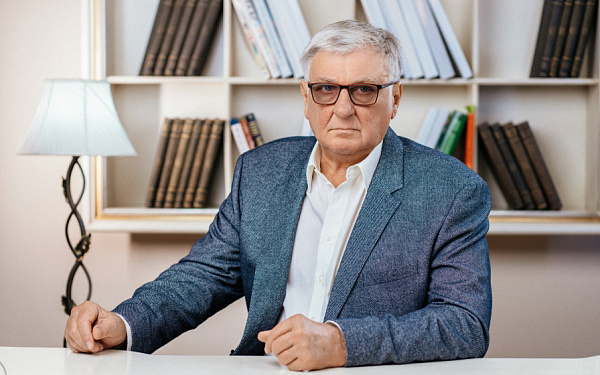
Professor Blum's approach is fundamentally different in that the primary task of rehabilitation is not the training of lost skills, as is the case with most other methods, but rather the fundamental restoration of vital energy and the enhancement of the body's energy resources.
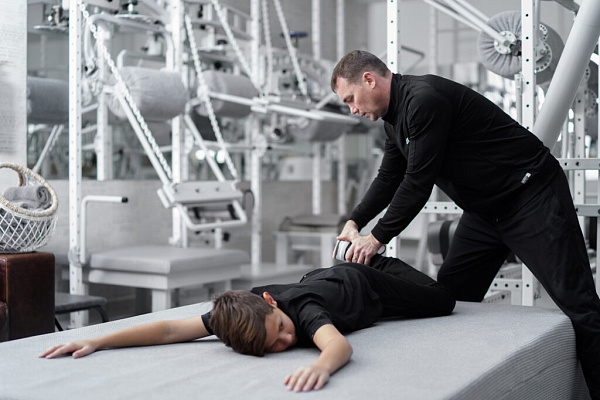
Once the body is filled with energy, natural mechanisms of self-recovery and self-integration are activated. Selective, precise interventions, in accordance with the laws of biomechanics, neurology, and rheology, optimise each of the body's life-supporting systems, improving blood flow, enhancing metabolic processes, cell renewal, and the removal of non-viable tissues from the body.
Eliminating energy deficiency is a necessary condition for the gradual recovery of motor skills such as walking, balance, coordination, and agility. Gradually, speech and cognitive functions are restored, allowing the patient to return to normal life.
Effectiveness of Rehabilitation in the Early Period After Stroke
The main 5 types of issues that people come to us with:
- Motor and movement impairments, general weakness
- Loss of memory, cognitive functions, difficulties with concentration
- Swallowing problems, speech difficulties
- Visual deterioration, blurred vision
- Impaired or lost daily living skills
A comprehensive individualised rehabilitation program is developed taking into account the patient's medical history, risk factors that led to the stroke, age, type of stroke, and the severity of its consequences.
General description of the problem
Early rehabilitation after a stroke begins in the 3rd to 4th week and lasts up to 3–6 months following the brain injury. During this period, the body's restorative abilities are at their peak, providing the best chances for recovering lost functions and mitigating the consequences of the stroke.
Thanks to the "neuroplastic window" — the brain's capacity for rapid healing and the formation of new connections lost due to damage. There are significant opportunities for full recovery, given a properly structured strategy and clearly defined rehabilitation priorities during the early phase.
-
Restoration of vital energy and enhancement of the body's energy resources to activate natural self-healing mechanisms.
-
Optimization of life-supporting systems through targeted influence on biomechanics, neurology, and rheology to improve blood flow and metabolic processes.
-
Elimination of energy deficiency as a prerequisite for the step-by-step restoration of motor skills, such as walking, balance, coordination, and maneuverability.
-
Gradual recovery of speech and cognitive functions.
-
Return of the patient to normal life.
Objectives of the program
-
Increase metabolismStroke recovery requires significant energy expenditure, making it essential to boost metabolic processes and ensure a high level of metabolism to create favourable conditions for brain recovery. Attempting to activate motor functions with residual low energy resources risks triggering a secondary stroke.
-
Brain restorationBrain restoration: from the epicentre of damage to the periphery, from the zone of total neuron death to the area of "dormant" neurons whose functions have ceased but can still be reactivated. The extent to which brain structures are restored and renewed determines the quality and quantity of functions we can recover. Maximising brain restoration is the primary focus of rehabilitation.
-
Prevention of recurrent strokeReplenishing overall vital resources, eliminating energy deficiency, restoring the functions of internal organs, body symmetry and geometry, and optimising energy expenditure are fundamental factors in preventing a second or third stroke.
Proprietary methodology
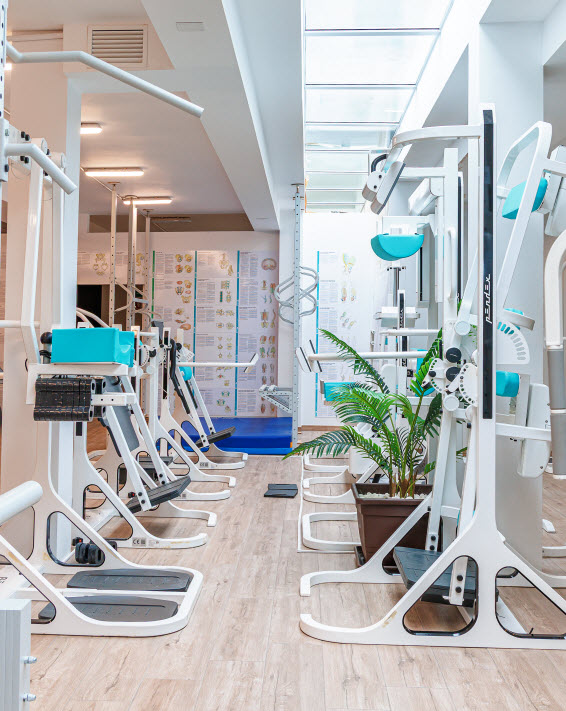
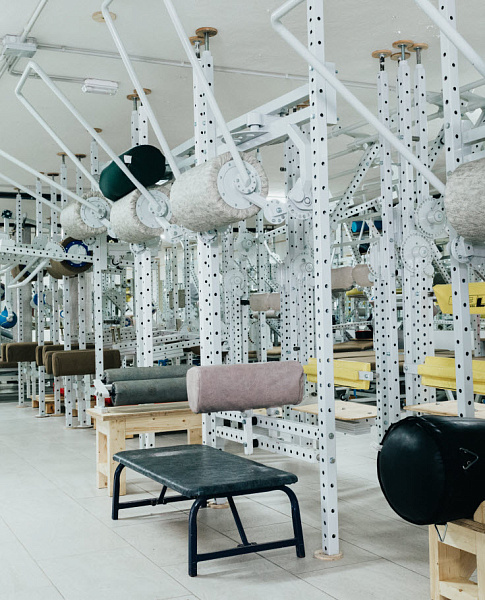
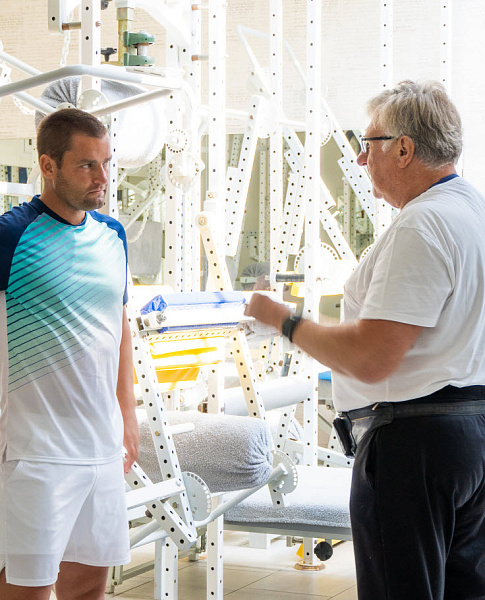
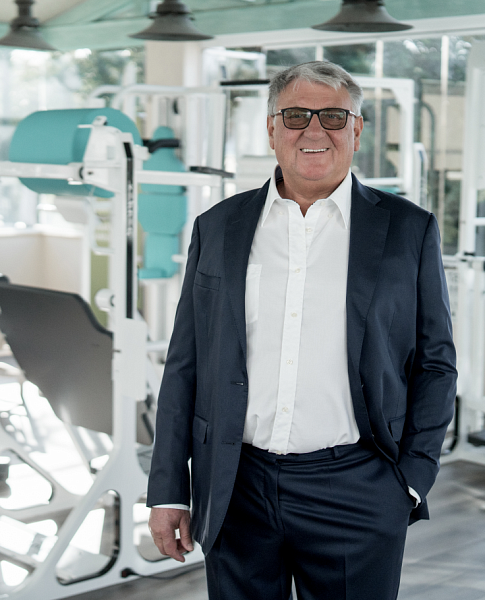
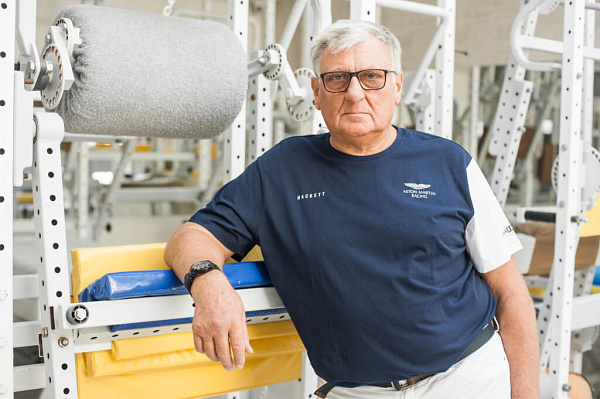
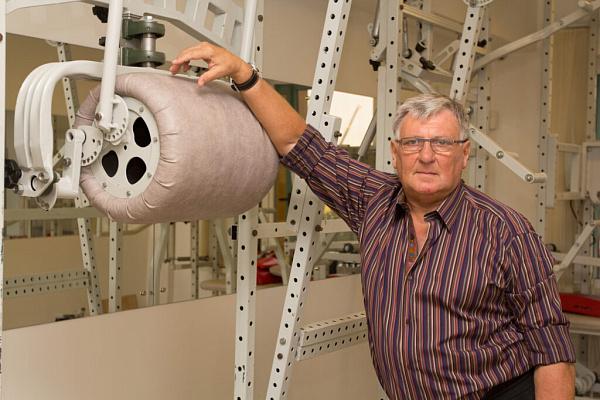
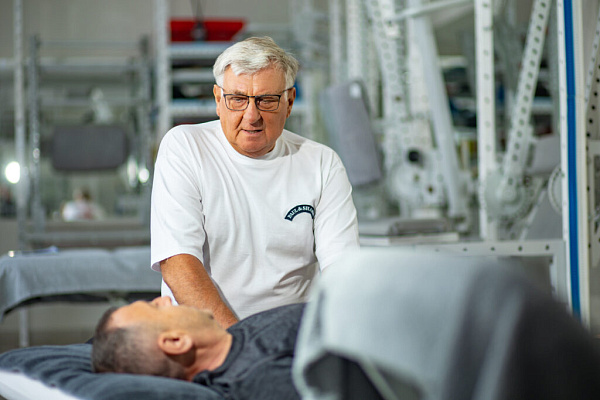
Professor Blum's Centre has specialised for many years in the effective early rehabilitation of stroke patients. The patented system of methods, techniques, and specialised equipment provides consistent results, allowing the elimination of stroke consequences while simultaneously preventing recurrence.
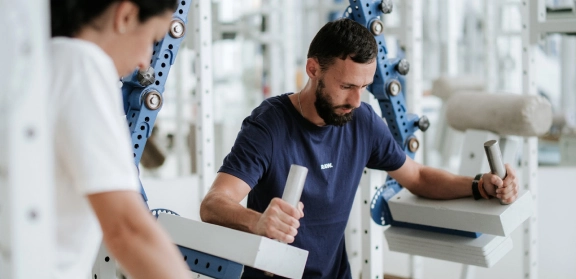
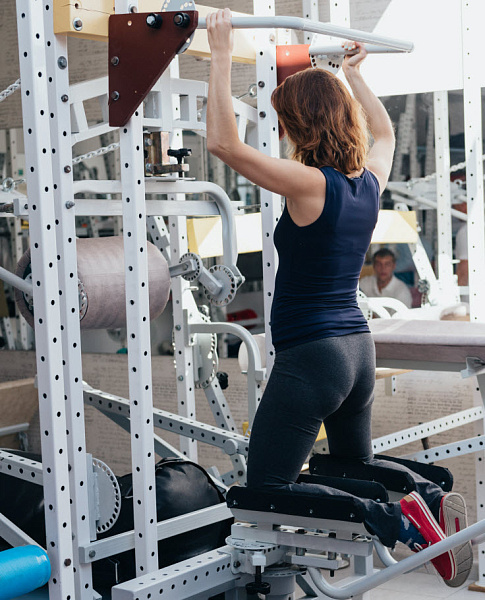
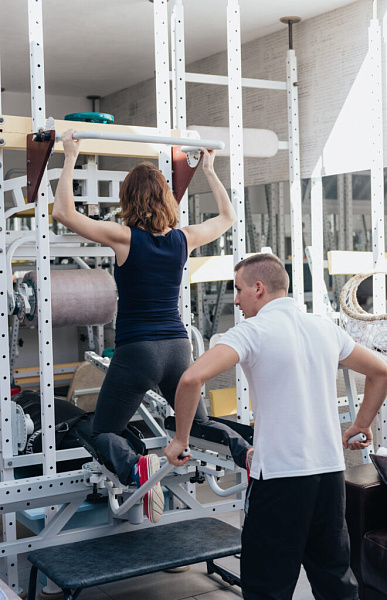
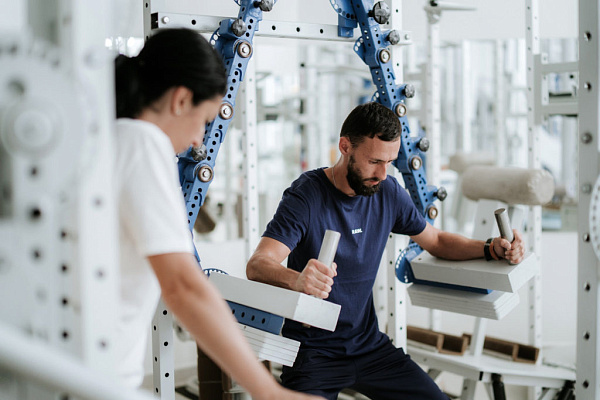
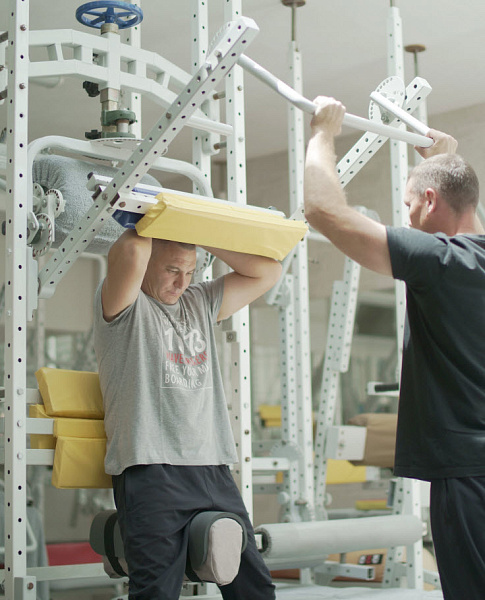
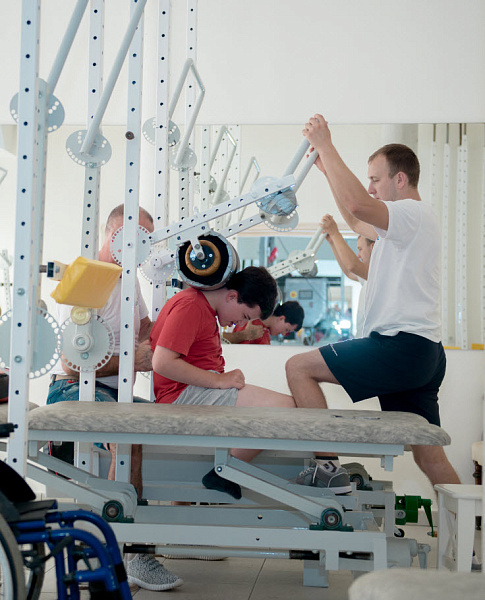
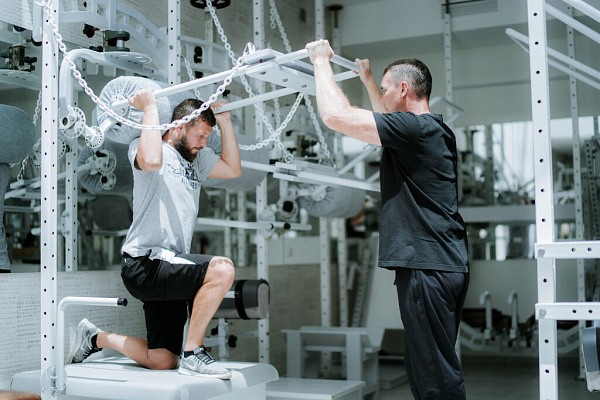
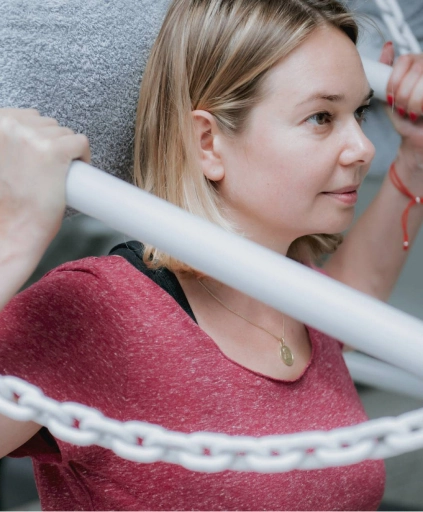
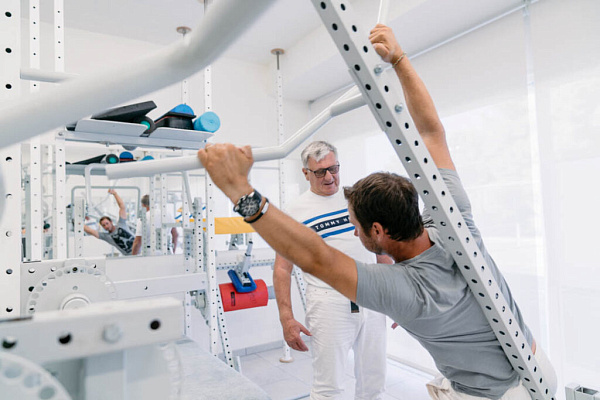
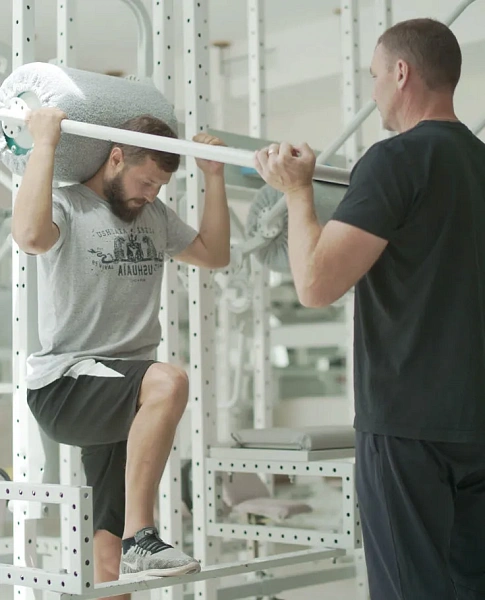
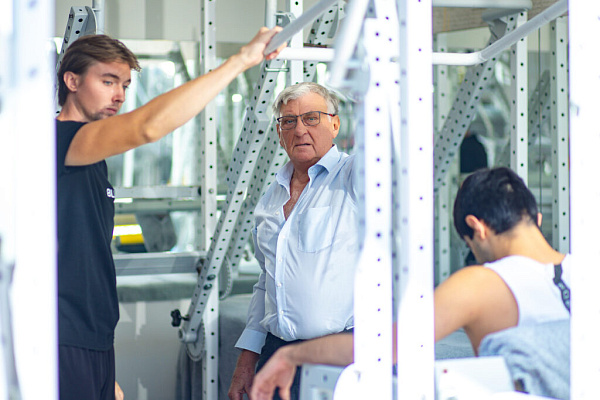
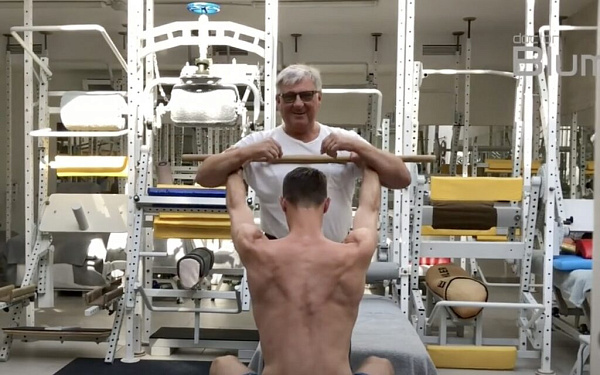
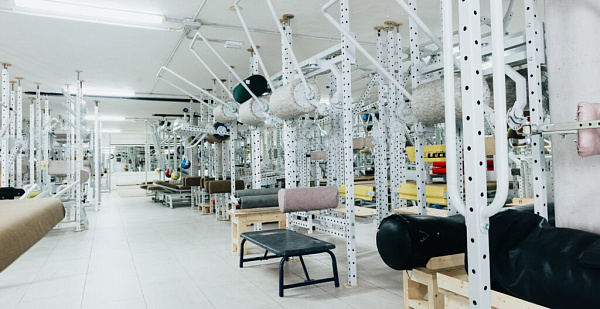
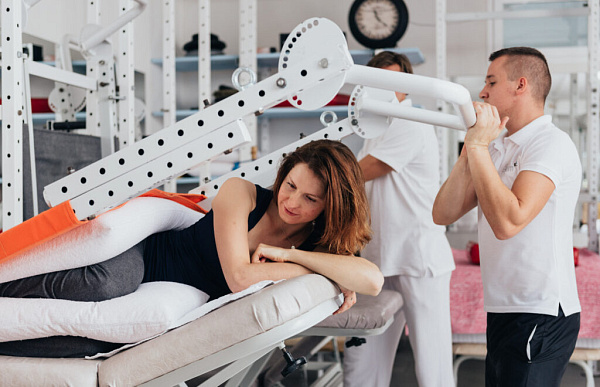
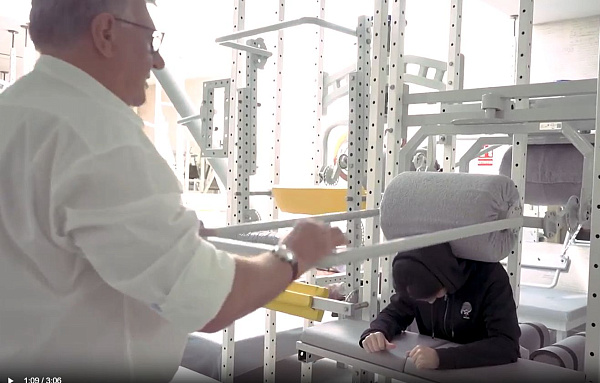
The patented rehabilitation equipment features unprecedented adaptability and precision, with a specified range of intensity. Essential angles, accelerations, and dozens of other controlled parameters lead to the desired response, even from the weakest muscle and fascial structures, activating neuroplastic and neuroprotective mechanisms. This creates conditions that enhance tissue regeneration processes, ensuring the potential to restore lost functions.
Continuous monitoring of movement range and specific neuromuscular responses guarantees safety, ensures consistency and predictability of results, and prevents any overload.
Patient stories
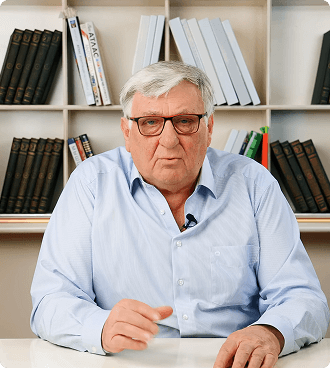
"Hardware" is the body, "software" is the soul, and the "user" is the mind (Rhacius). The more perfect the hardware, the more perfect the software can be installed. Conversely, the more impaired the body, the more primitive the software will be, and the more difficult it will be for the user (the brain) to live and survive in such a body.
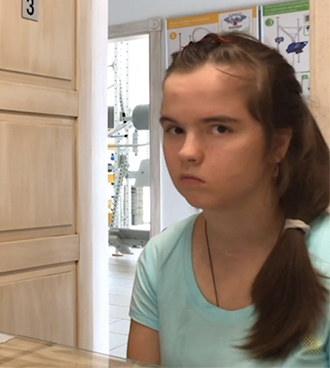
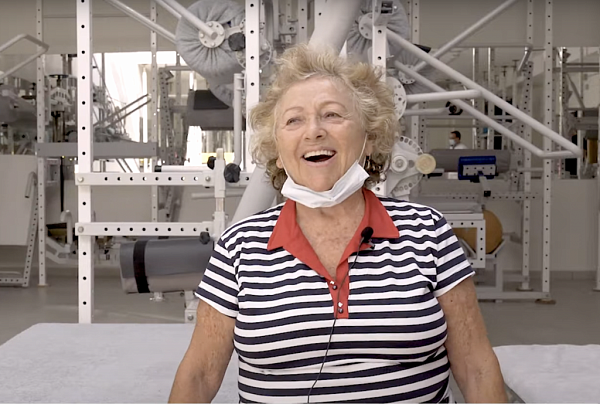
Treatment Duration: 30 days. Results: Significant improvement in motor abilities, improved coordination, ability to kneel with support. Upon completion of the course, she returned home with a set of exercises and equipment for continuing rehabilitation.
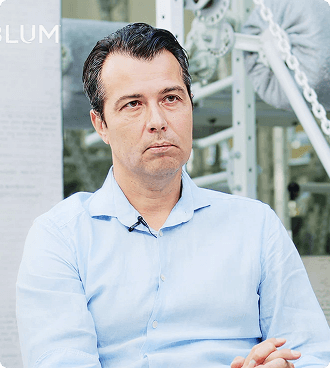
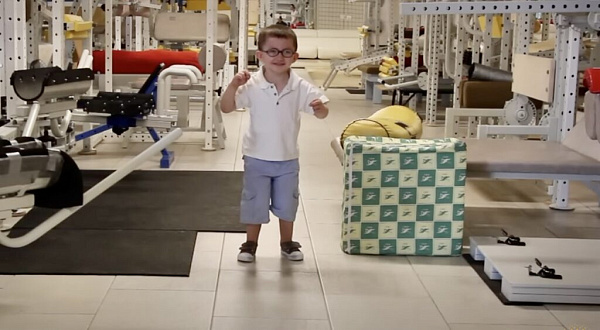
Dmitry suffered two strokes within two days, a rare case with catastrophic consequences – his brain functions were impaired. He arrived in Spain in very critical condition and faced a long rehabilitation process. As a result of the treatment, all bodily and brain functions were restored.
Professor Blum’s Exclusive Rehabilitation System

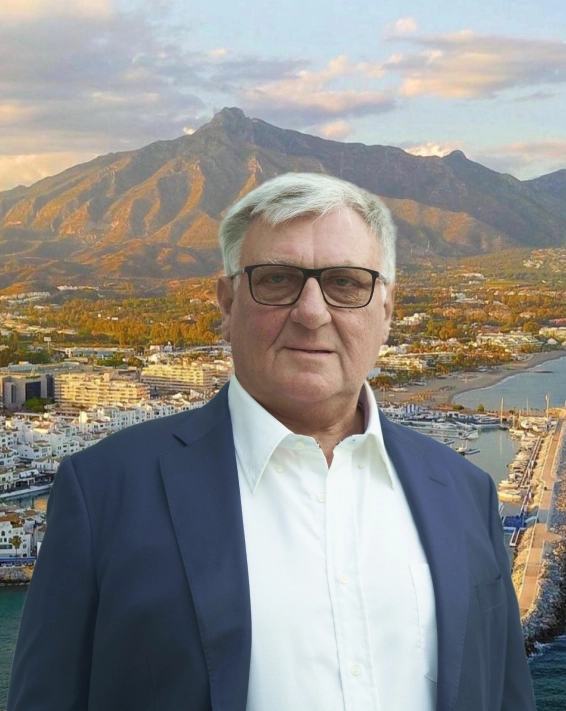
The center is located in a picturesque corner of the renowned resort town of Marbella, surrounded by cedar trees at the foot of La Concha mountain. Here, science and technology blend with nature, creating a space where the body returns to balance and harmony.
Technologies that deliver results
Select a program
- Personalized Health Recovery Programs
- Disease Prevention
- Customized Check-Up
Q&A
Our program includes the prevention of recurrent stroke through restoring the function of internal organs, improving body symmetry, and optimizing blood flow and metabolism. Replenishing the body's overall vital resources is the foundation of protection against a recurrent cerebrovascular event.
The main goal of rehabilitation is to give the person the greatest possible independence and restore their quality of life. What does that mean? It means the ability to return to everyday life — to make a cup of tea, go outside, walk the dog — in short, to do what they want and to be free. Recently, stroke has been occurring more often in younger people, for whom returning to work is especially important. The prognosis is individual, but early intervention and the right strategy offer the best chances for restoring lost functions. We don’t promise miracles, but we fight for every function so that the patient can return to a full life.
After the main course at the center, we provide a set of exercises to be done at home. However, the first stage must take place under the supervision of specialists and with the use of specialized equipment. At home, you can reinforce the results, but it cannot replace the intensive rehabilitation provided at the Center. Home-based maintenance exercises are an important part of long-term recovery, but they are not its foundation.
Restoring motor function after a stroke — such as walking, balance, and coordination — is only possible after addressing energy deficits. The approach involves biomechanical stimulation, improved microcirculation, and activation of neuroplasticity. This is precisely why standard physical therapy is often ineffective. Professor Blum's methodology allows for the safe and systematic restoration of motor skills.
In neurology, there is a concept known as the rehabilitation window — a period during which maximum functional recovery can be achieved. In the case of a stroke, this window lasts about one year, after which it begins to close. The most critical period is the first 3–4 months, when neuroplasticity is at its peak. At this time, the patient and their family are often overwhelmed, uncertain about which method or clinic to choose — and time is precious.
That’s why it’s important to start looking for a rehabilitation clinic while the patient is still in the hospital, so that by the time of discharge, there is a clear plan in place. During this time, you can send us the medical history, all test results, and specialist reports. We will review the materials and prepare a preliminary rehabilitation program. This way, at the time of discharge, you will know exactly where to go, what results to expect, and you won't lose valuable time.
The program is built on a diagnostic assessment—analyzing the patient’s current condition, identifying signs of energy deficit and biomechanical impairments. The first stage focuses on restoring vital resources, followed by a gradual return of movement, speech, and cognitive functions. Proprietary equipment with precise settings is used to activate neuroplasticity mechanisms. Each plan is developed individually, taking into account the severity of the stroke, age, and concomitant conditions.
We accept patients in a stable condition when they no longer need hospital care. We can pick up the patient from the hospital upon discharge and bring them directly to our center (including air transport). On site, there is a hotel fully adapted for people with disabilities and their caregivers.
We can only answer that after receiving the complete medical history and treatment records, all test results, specialist reports, and a short video showing the patient’s current condition.
The cost of a course of treatment with a stay in a hotel
- Appointments and consultations
- Creating an individual program
- Conducting personal sessions
- Appointments and consultations
- Creating an individual program
- Conducting personal sessions
Other areas of work of our Center
.webp)