

Musculoskeletal Rehabilitation & Prevention Services

- An individualized plan based on Professor Blum's proprietary methodology
- A comprehensive approach that accounts for medical history, age, and lifestyle
- A thorough assessment and treatment plan that considers any existing conditions

Our Medical Strategy
Professor Blum's approach is grounded in the early detection and correction of age‑related changes in the musculoskeletal system. Our work follows a structured, step‑by‑step process:
- Because all vital systems are housed within the musculoskeletal system, its form, proportions, and symmetry are the foundation of active longevity and healthy aging. That is why we conduct a detailed assessment of the musculoskeletal system as a whole — evaluating each segment, each joint, and every spinal curvature across three biological planes.
- We analyze the body's adaptive capacity: intermuscular force balances and imbalances, as well as the range of motion in all segments of the musculoskeletal system.
- We assess the balanced interaction of all metabolic systems in the body.
- We evaluate the interconnections between biomechanical dysfunction, movement asymmetry, motor function, and both the central and peripheral nervous systems.
Based on the diagnostic findings, we develop a personalized rehabilitation plan to eliminate asymmetries, restore muscle balance and full‑range motion in musculoskeletal segments, train adaptive systems to respond to temperature and pressure changes, improve endurance for cyclic loads such as walking and running, and restore highly coordinated motor function.
What Musculoskeletal Conditions Do We Address?
To deliver effective, personalized musculoskeletal care, we work simultaneously across several interconnected areas:
- Healthy Spine and Joints – Restoring, strengthening, and revitalizing all parts, segments, and elements of the musculoskeletal system: lumbar, thoracic, and cervical spine; joints and articulations of the ribcage; shoulder girdle and pelvic girdle joints; and joints of the upper and lower extremities – providing comprehensive bone and joint recovery services for lasting function and mobility.
- Healthy Muscles, Ligaments, Discs, Menisci, and Tendons – Restoring optimal body geometry, posture, strength, flexibility, and layered muscle fullness from bones and joints to the surface. We address signs of tissue separation, dehydration, swelling, and stiffness – returning a hydrated, gel‑like quality to the connective tissue matrix – restoring its health and improving tissue nutrition and regeneration.
- Restoring Muscle Tone in Deep and Superficial Layers – Releasing tension, painful trigger points, tightness, and the effects of deeply embedded stress. We enhance the pump‑and‑drainage function and postural control of the deep muscle layers – improving lymphatic drainage, tissue microcirculation, and overall metabolic rehabilitation to support sustained recovery.
- Reversing Signs of Premature Aging and Chronic Disease – Addressing external manifestations of chronic conditions while improving digestive, endocrine, urinary, and immune system function – supporting healthy aging and long‑term vitality.
- Restoring Cardiovascular Health – Improving vascular elasticity, venous return, and tissue microcirculation, normalizing blood pressure, enhancing organ drainage, and optimizing cerebral circulation – all essential components of comprehensive musculoskeletal disease prevention and overall wellness.
The Bigger Picture – Understanding Age-Related Changes
Spinal flexibility, pain‑free joint movement, a light and steady gait, and toned body contours are undeniable markers of youth. Beyond aesthetics, the health of the musculoskeletal system determines the overall condition of the entire body.
Starting as early as age 30, the musculoskeletal system undergoes gradual age‑related changes. Bones begin to lose density and become more fragile, increasing the risk of fractures. The quality and quantity of spongy bone tissue decrease, and hematopoietic processes are impaired. Calcium reserves in the bones also diminish due to hormonal shifts and a slowdown in bone metabolism – driving both age-related joint degeneration and age-related muscle degeneration (sarcopenia).
Reduced physical activity, impaired intestinal absorption, and compromised blood supply and innervation to the bones slow down bone remodeling. The trabecular structure deteriorates, cavities form, fracture risk rises, and compensatory degenerative changes develop – leading to loss of bone density, cartilage wear and tear, and ultimately degenerative disc disease that challenges the spine and surrounding structures.
As cartilage ages, it thins, dries out, and loses elasticity and shock‑absorbing capacity – reducing joint strength and increasing injury risk. Ligaments, tendons, and joint capsules also age, losing elasticity, becoming denser and more brittle. This leads to restricted mobility in the spine and joints, a reduced range of motion, the development of joint stiffness, limited range of motion, reduced flexibility, and the onset of osteoarthritis. Intervertebral disc height decreases, and diffusion‑based nutrition to the vertebrae is compromised – further contributing to spinal rehabilitation needs and progressive postural imbalances that affect daily function.
Simultaneously, the number and volume of muscle fibers gradually decline. Muscle mass decreases, the body loses its defined contours, takes on a more aged appearance, and overall strength diminishes while contraction speed slows. Load distribution across the musculoskeletal system becomes uneven, placing excessive strain on certain joints, leading to arthritis and increasing injury risk – further compounded by muscle weakness / atrophy, balance and coordination issues, and noticeable gait disturbances that impact quality of life.
The contractile capacity of the deep muscle layers also declines, slowing their pump function and impairing blood flow, lymphatic drainage, and tissue metabolism – key components of post-surgical musculoskeletal rehabilitation and rehabilitation after joint replacement when recovery is needed most.
As a result of all these interconnected changes – support, stability, flexibility, strength, range of motion, blood cell production, tissue fluid circulation, and many other vital functions – become compromised. This ultimately highlights the urgent need for comprehensive musculoskeletal disease prevention and proactive intervention.
-
Restoring spinal and joint flexibility – helping patients restore full range of motion through targeted, progressive therapeutic interventions that reduce stiffness and improve overall mobility
-
Strengthening bones and preventing fractures – addressing loss of bone density and supporting long‑term skeletal health through evidence‑based preventive musculoskeletal care that reduces fracture risk and promotes structural integrity
-
Improving mobility and relieving joint stiffness – working to reduce joint stiffness, alleviate discomfort, and restore fluid, pain‑free movement through personalized functional training and rehabilitation protocols
-
Increasing elasticity of ligaments and joint capsules – enhancing connective tissue health and the flexibility of supporting structures to improve joint stability and prevent future injuries
-
Restoring muscle mass and strength – counteracting muscle weakness / atrophy through targeted therapeutic exercise, strengthening the muscular corset, and rebuilding functional capacity for everyday activities
-
Normalizing blood and lymphatic circulation in tissues – optimizing tissue microcirculation and lymphatic drainage to support tissue nutrition, reduce swelling, and accelerate recovery – a cornerstone of effective functional movement rehabilitation
Objectives of the program
-
Restoring Body GeometryRestore proper alignment of the spine and joints, eliminate deformities and imbalances, improve posture and upright stability, and return harmony to muscle and joint function – essential components of restoring proper biomechanics and achieving lasting joint and muscle health support.
-
Improving Mobility and StrengthRestore freedom of movement, expand range of motion, and build endurance, coordination, and strength. Prepare the body for active physical loads such as walking and running – a core focus of effective functional movement rehabilitation that delivers tangible improvements in daily function.
-
Normalizing MetabolismRestore normal function of the body's metabolic systems, support tissue renewal and healing processes, and prevent premature aging and metabolic imbalances. These outcomes are fundamental to active longevity, healthy aging, and comprehensive preventive musculoskeletal care that sustains long‑term vitality.
Proprietary Methodology
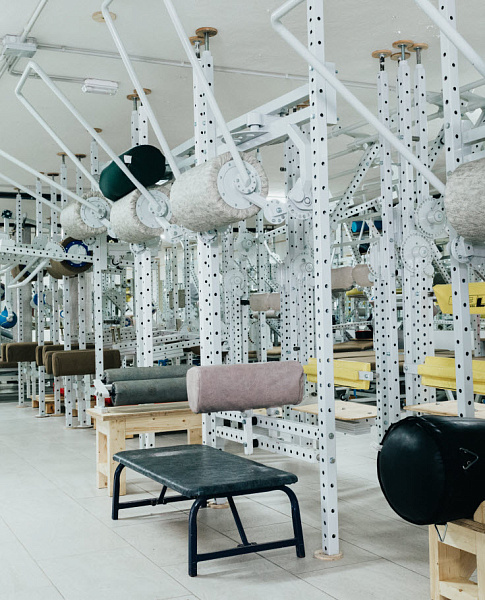
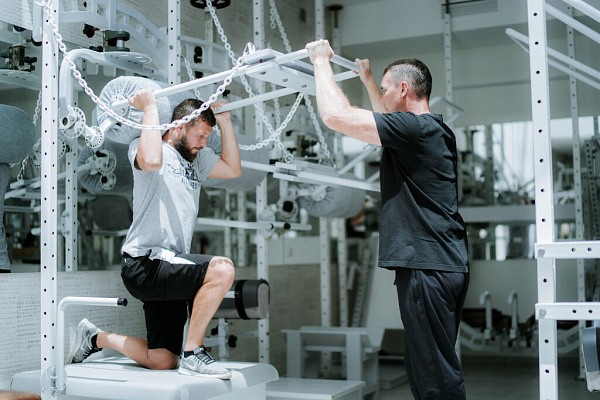
Our patented system of methods, techniques, and specialized equipment allows us to influence the key processes that determine the condition of the musculoskeletal system. We perform comprehensive restoration of bones, joints, ligaments, tendons, joint capsules, cartilage, and muscles across all six macro‑blocks:
- Anatomical integrity
- Morphological tissue quality
- Topological norm – proper organ positioning
- Adequate blood supply for optimal function
- Sufficient energy provision for peak performance
- All functional indicators
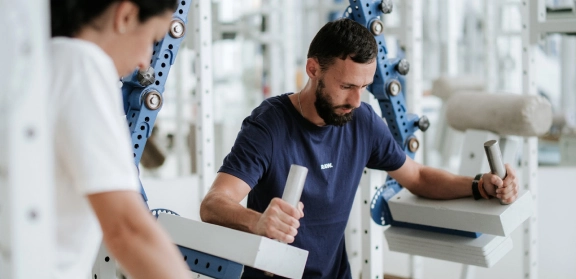
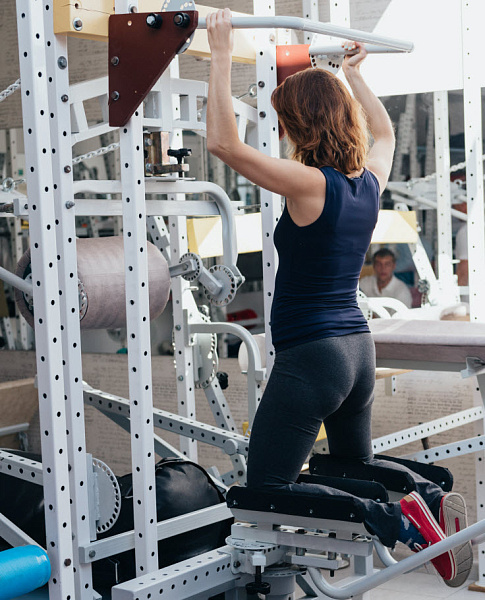
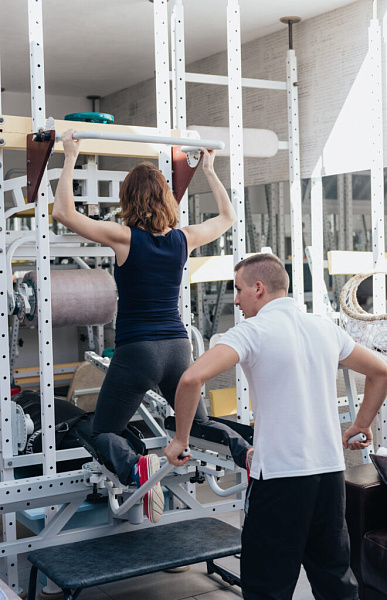
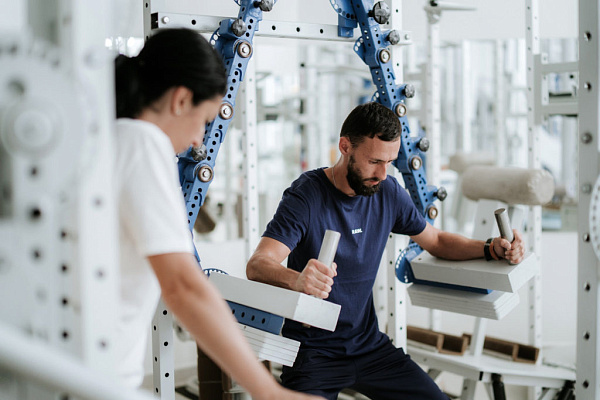
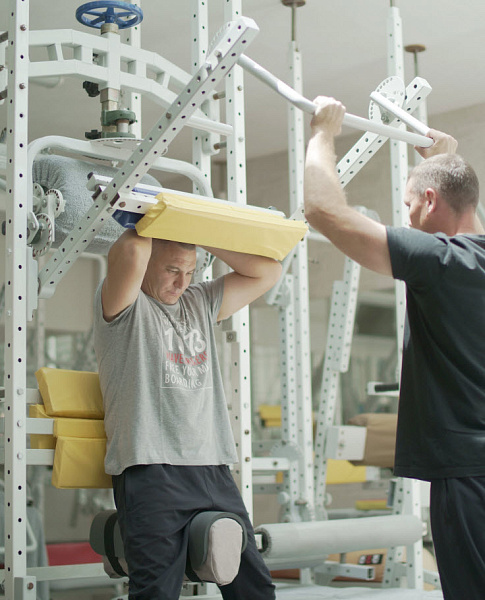
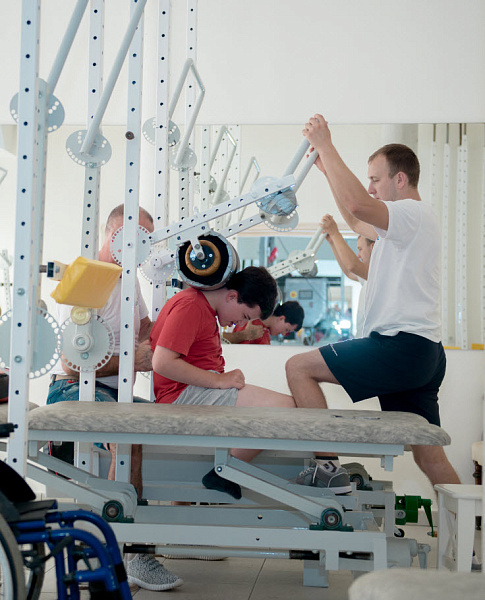
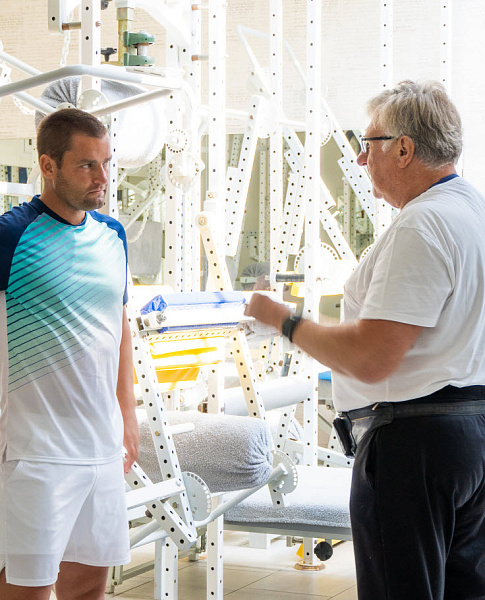
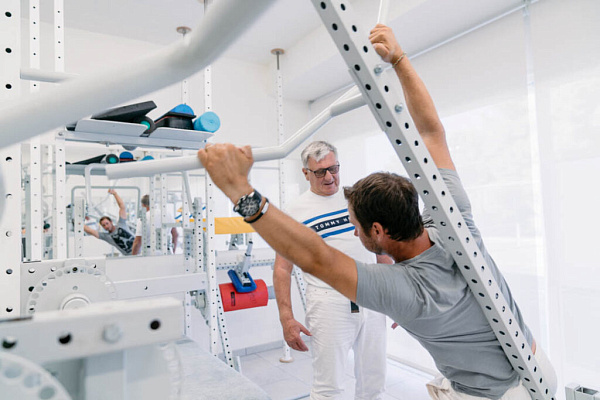
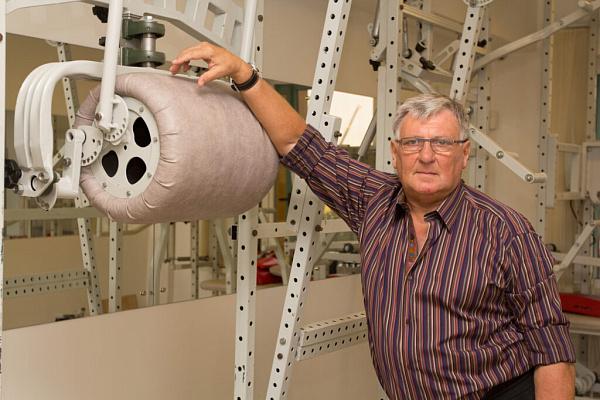
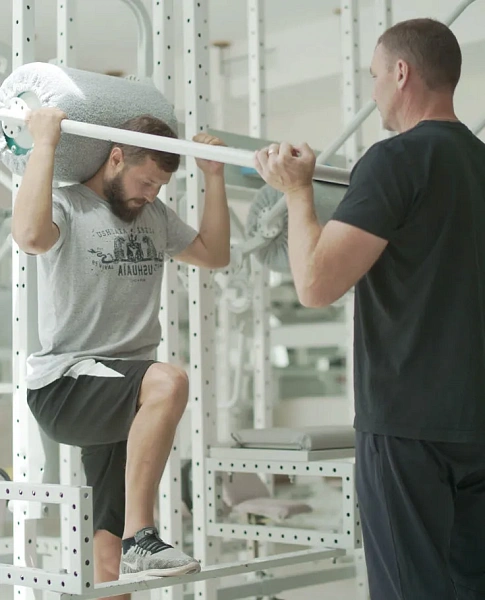
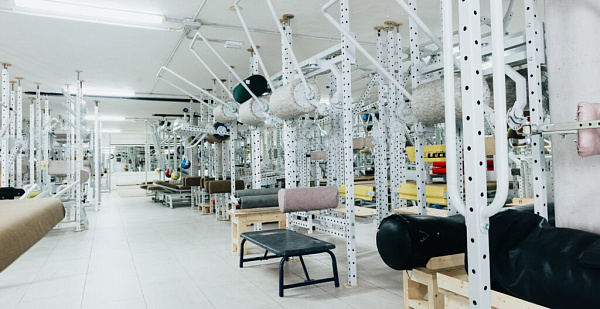
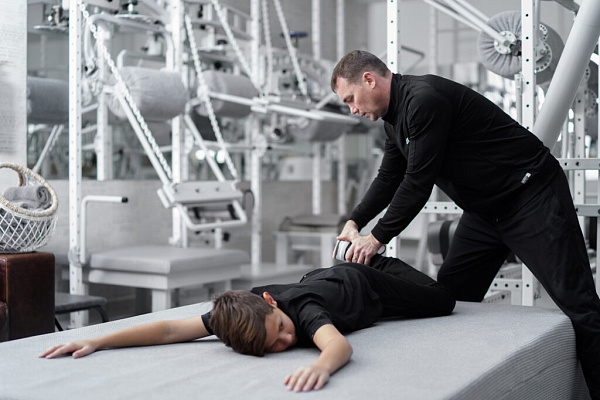
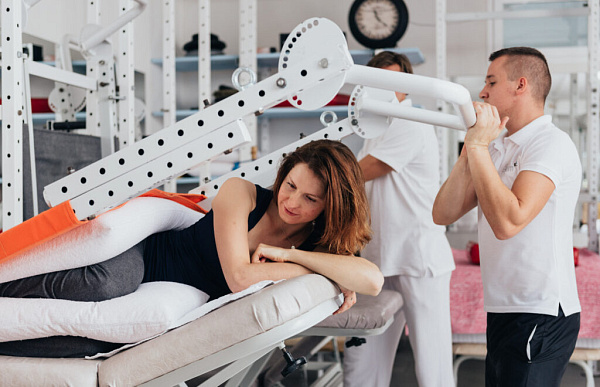
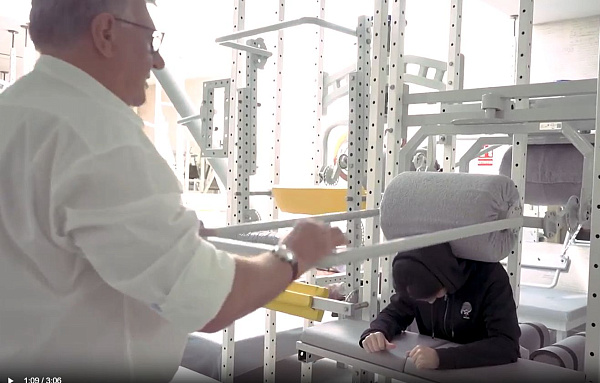
Our proprietary rehabilitation equipment offers unprecedented adjustability and precision: controlled intensity, precise angles, acceleration profiles, and dozens of other adjustable parameters. This triggers a predictable, measurable response from bone, muscle, and fascial structures – guaranteeing our ability to:
- Restore symmetry
- Restore tissue fluid turnover (reigniting metabolic activity and enhancing tissue nutrition and regeneration)
- Normalize tissue microcirculation at the deepest levels
- Activate cellular renewal
As a result, it becomes possible – without drugs or surgery – to improve the structural and motor functions of the spine and joints, expand the repertoire of coordination, flexibility, and endurance, and restore the joy of walking and running freely – embracing an active lifestyle without pain or limitations – through our comprehensive program for musculoskeletal rehabilitation.
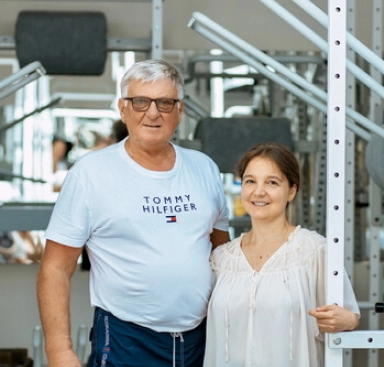
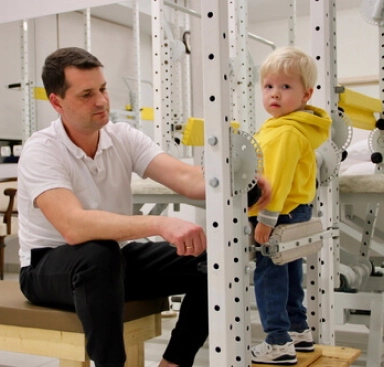
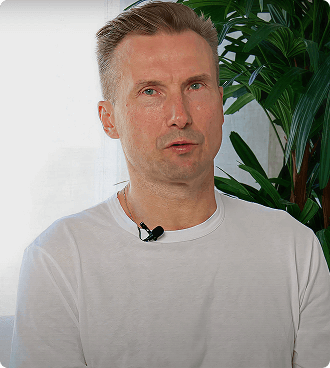
Patient stories
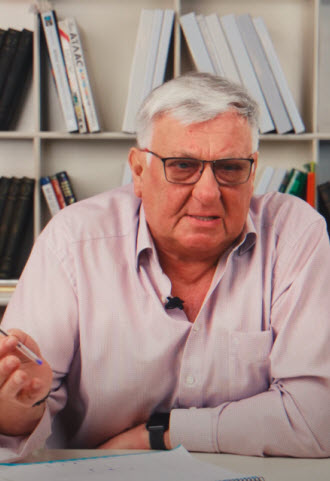
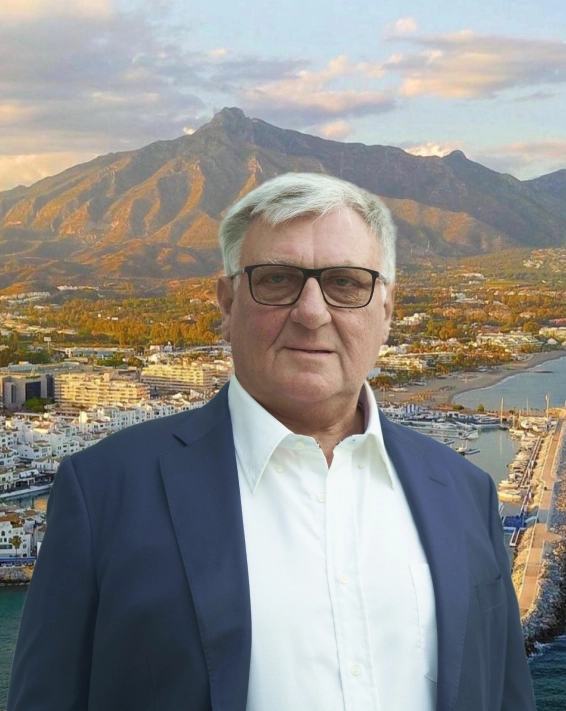
Professor Blum’s Exclusive Rehabilitation System

The center is located in a picturesque corner of the renowned resort town of Marbella, surrounded by cedar trees at the foot of La Concha mountain. Here, science and technology blend with nature, creating a space where the body returns to balance and harmony.
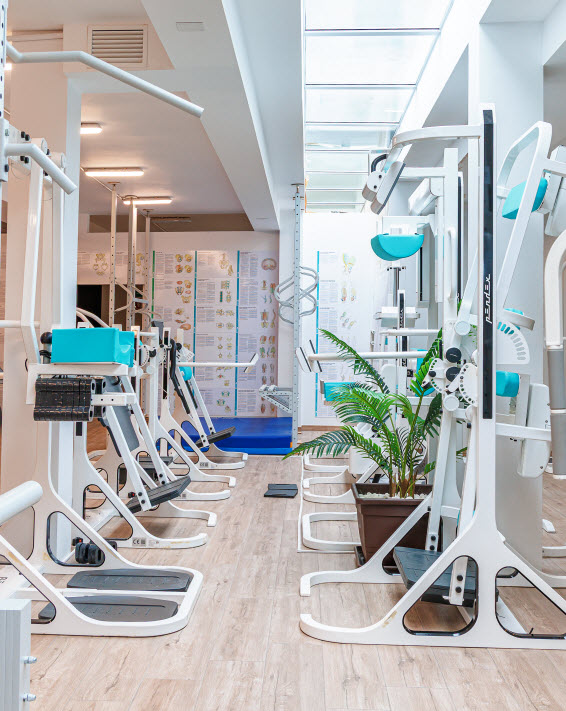
Technologies that deliver results
Select a program
- Personalized Health Recovery Programs
- Disease Prevention
- Customized Check-Up
Q&A
Standard physical therapy often provides general exercises without taking individual biomechanics or deep muscle imbalances into account. Professor Blum's program is based on precise diagnostics across 6 key areas, targeting the root cause of the problem rather than just the symptoms.
We work with the deep stabilizer muscles, which are not accessible through standard exercises, and use patented equipment with controlled parameters (angles, acceleration, intensity). This allows us to restore correct movement biomechanics, eliminate compensatory patterns, and achieve lasting positive results—even in cases where long-term rehabilitation with other methods has been ineffective.
In addition, we address goals related to active longevity, slowing degenerative processes, and preventing age-related changes, which goes beyond the scope of classical rehabilitation.
As with any musculoskeletal rehabilitation, there are temporary and absolute contraindications. Temporary ones include: acute inflammatory processes, febrile conditions, exacerbations of chronic diseases, thrombosis, and recent bleeding.
Absolute contraindications include: severe decompensated cardiovascular diseases, active-phase oncological diseases, acute cerebrovascular accidents, and severe mental disorders.
Before starting the program, a consultation with a physician at the Center and a review of your medical history are mandatory. In most cases, with proper load selection, the program is safe and effective.
Rehabilitation using Professor Blum's method after joint replacement is aimed at the fastest and safest possible return to activity. We begin work as early as the early postoperative period (after suture removal), focusing on restoring range of motion in the operated joint, strengthening the surrounding muscles, and preventing contractures.
Special attention is given to gait correction, retraining proper movement patterns, load redistribution, and balancing adjacent joints. With this approach, most patients return to full walking within 4–6 weeks, and to their usual daily life within 2–3 months after surgery.
Back pain after 50 is often not caused by a single issue but by a combination of age-related changes: osteochondrosis, reduced ligament elasticity, and impaired biomechanics. Standard physical therapy often falls short because it doesn't target the stabilizer muscles, correct pathological motor patterns, or address other key pathogenetic mechanisms.
At our center, we conduct a precise biomechanical assessment to identify the true cause of the pain and then design an individualized program. This includes restoring proper body biomechanics, relieving muscle spasm, restoring spinal mobility, strengthening the muscle corset, and correcting gait. This approach allows us to eliminate pain and restore freedom of movement.
Yes, rehabilitation for knee arthrosis is one of the key areas of our center's work. For gonarthrosis stages 1–2, it is possible to reduce pain, increase mobility, and improve gait by strengthening muscles, normalizing tone, and restoring walking biomechanics.
Proprietary techniques allow us to improve cartilage tissue nutrition and slow down joint wear. Many patients are able to discontinue pain medication after the course and return to their usual activities — walking, climbing stairs, and even light running.
The core program is designed for 14–21 days. Patients begin to notice the first improvements — reduced pain, relief from morning stiffness, and increased range of motion — after just 5 integrated sessions.
To achieve lasting deceleration of degenerative processes, as well as restoration of muscle mass and strength, it is recommended to complete the course 1–2 times per year. Between courses, we provide home exercises to maintain the results achieved, as well as overall activity and health levels.
Yes, at stages 1–2 of joint arthrosis (gonarthrosis, coxarthrosis), as well as with many other degenerative conditions, non-surgical restoration is possible. Our goal is to stimulate cartilage tissue regeneration, improve nutrition and blood supply to the joint, relieve muscle spasm, and restore range of motion.
Using our proprietary methodology and equipment, we achieve improvement in cartilage quality, strengthening of the ligamentous apparatus, and normalization of biomechanics — allowing surgery to be avoided or postponed for many years.The methodology focuses on early detection of age-related changes — those that begin with gait disturbances, weakness of deep muscles, and decreased endurance.
We target the deep stabilizer muscles and fascia, which are the first to be affected by aging.
By restoring their pumping function, we improve blood supply to bones and cartilage, trigger natural rejuvenation, and slow down degenerative processes. This helps prevent premature aging of the joints and spine, restoring freedom of movement without medication.
The program is suitable for adults of any age — from 30 years old, when the first age-related changes in the musculoskeletal system begin to appear, to elderly patients with degenerative conditions.
We help those who suffer from chronic back and joint pain, arthrosis, osteochondrosis, hernias and disc protrusions, as well as patients recovering from injuries (fractures, sprains, ligament tears) and surgeries (joint replacement, arthroscopy).
The program is also recommended for people with a sedentary lifestyle, excess weight, athletes, and anyone who wants to maintain mobility and active longevity.
The program consists of several stages. It begins with a biomechanical assessment — evaluating posture, gait, range of motion, and muscular imbalances. An individualized plan is then developed, combining work on proprietary equipment (with precise parameter adjustment) and specialized techniques for joint recovery and mobilization, relieving muscle spasm, and strengthening the muscle corset.
The program also includes restoring range of motion, correcting joint biomechanics, and preventing contractures. The course concludes with at-home recommendations to consolidate the results.
The most effective period is when the first signs of aging begin to appear. Between the ages of 30 and 35, tissues still have a significant reserve of regenerative potential – and this is precisely the time to maximize it. Annual CHECK-UP courses followed by a comprehensive individualized musculoskeletal rehabilitation program will deliver the most profound and lasting results for healthy aging and long‑term vitality.
At this age, the primary goal of musculoskeletal care is to preserve your remaining health reserves and, where possible, build upon them. Avoid energy‑depleting physical activities that drain your vital resources, steer clear of chronic stress and emotional overload, maintain a balanced work‑rest schedule, and dedicate regular time to your health – 1 hour each day, 1 day each week, 1 week each month, and 1 month each year – as part of a comprehensive preventive musculoskeletal care strategy for healthy aging.
The system of methods, techniques, and specialized equipment developed by Professor Blum enables us to restore tissue microcirculation, improve blood flow, enhance lymphatic circulation and cleansing, activate metabolism, perform deep detoxification, and maximize the body's self‑repair and cellular renewal processes. This unique functional movement rehabilitation approach addresses the root causes of dysfunction – including connective tissue health, fascial health, and movement re-education – offering a comprehensive pathway to recovery that goes beyond symptom management.
The cost of a course of treatment with a stay in a hotel
- Appointments and consultations
- Creating an individual program
- Conducting personal sessions
- Appointments and consultations
- Creating an individual program
- Conducting personal sessions
Other areas of work of our Center
.webp)